Round Diamond Pavé Engagement Ring: The Pavé Upgrade Trap
TL;DR: The Pavé Upgrade Trap
- The Pavé Upgrade Trap: jewelers and online retailers routinely present the pavé shank as a simple "upgrade" from a plain solitaire — but the cost difference ($350–$3,000) is almost always more effective spent on the center stone, where the impact is visible from across a room
- Blue Nile's pavé engagement ring settings range from $1,200 (Petite Twist 14k White Gold, 1/10 ct. tw.) to $3,925 (French Pavé Platinum, 1 ct. tw.) for the setting alone — before the center stone
- There are five distinct pavé styles: micropavé, French pavé, scalloped pavé, fishtail/bead-set pavé, and channel-set. Each has a different price, a different risk profile for melee stone loss, and a different visual effect
- Pavé IS worth the upgrade when the ring will be worn alongside a matching pavé wedding band (the two shimmer together), or when the buyer genuinely prioritizes shank sparkle over center stone size; pavé is NOT worth it when the center stone budget is under 0.75ct — that money buys more visible impact as center stone carat weight
- Melee stone loss is the hidden maintenance cost of pavé settings: small pavé diamonds (0.8–1.2mm) can loosen and fall out with daily wear; an annual checkup at a jeweler costs $50–$100 and prevents losing a $200–$400 melee stone replacement


What Is a Pavé Engagement Ring?
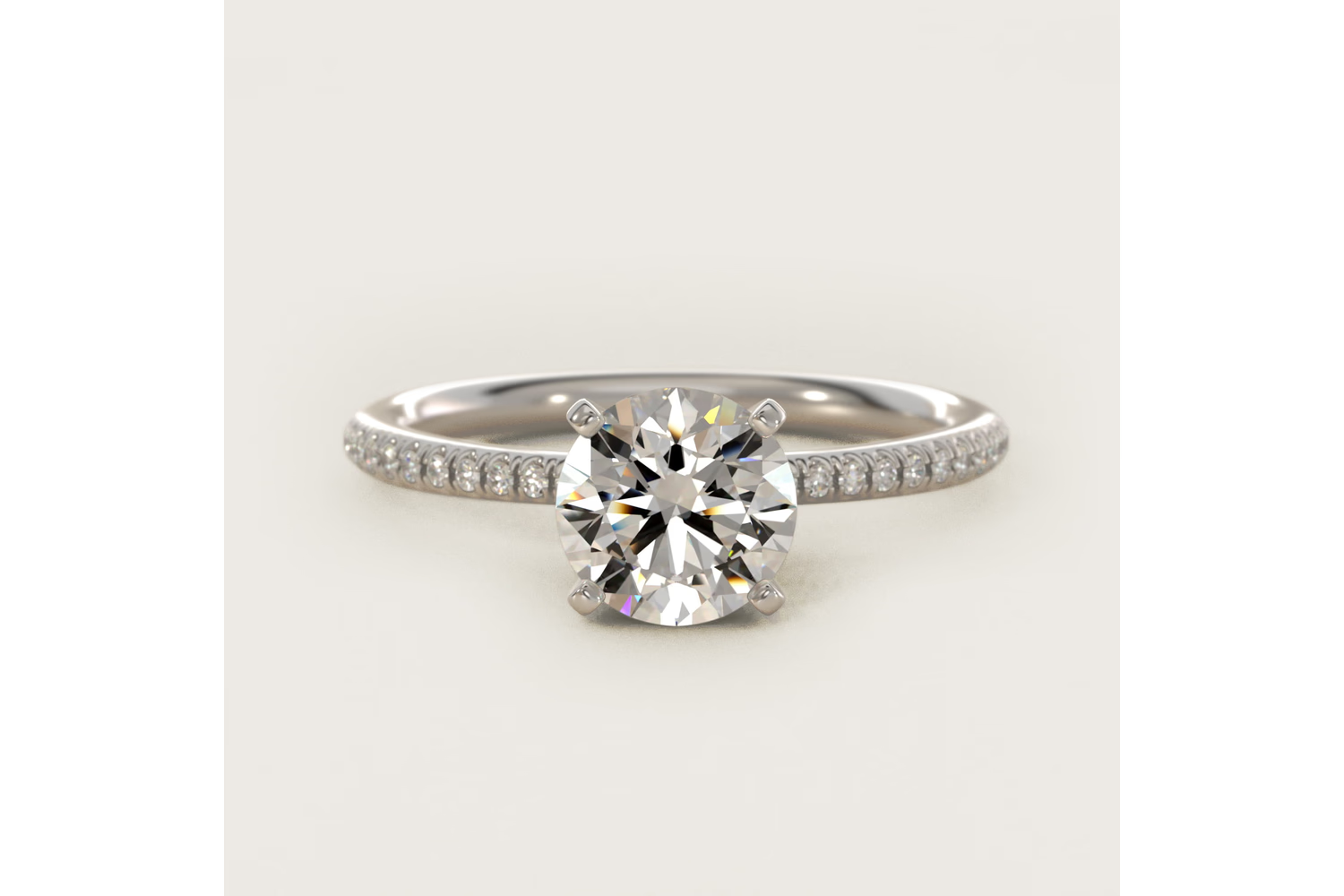
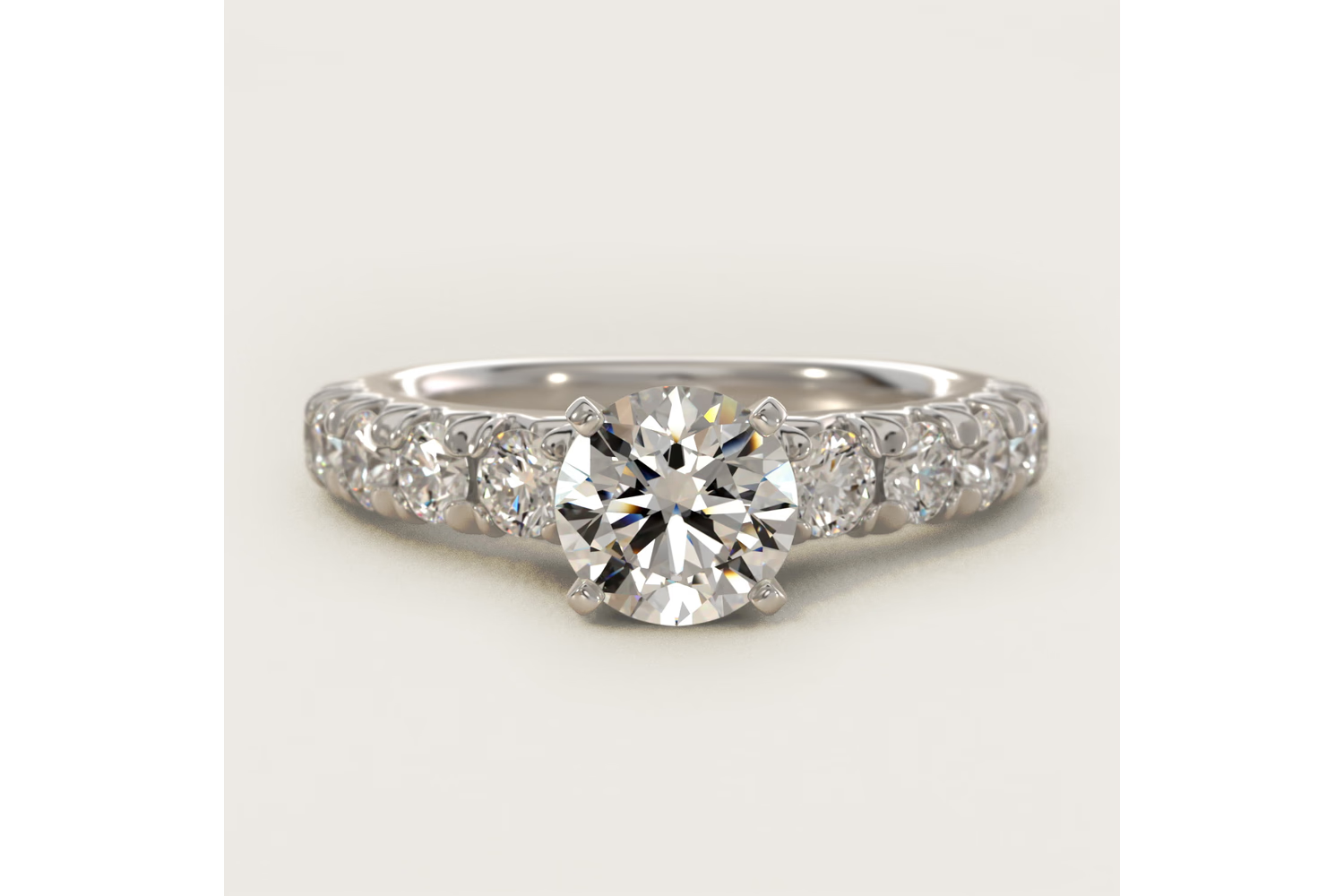
A pavé (pronounced "pah-VAY," from the French for "paved") engagement ring features tiny accent diamonds set directly into the shank surface with minimal metal visible between them, creating the appearance of a diamond-encrusted road. The diamonds are held in place by small beads or edges of metal that are pushed over the stone's girdle rather than by traditional prongs. The result is a band that appears entirely covered in continuous sparkle.
Pavé differs from channel setting in one key way: in channel setting, the accent diamonds sit in a groove between two metal rails with no metal between adjacent stones; in pavé, each stone is individually set in its own shallow hole with micro-prongs or beads. Pavé creates a more textured, dimensional surface; channel setting creates a cleaner, flatter look.
The center stone still determines the ring's overall value and appearance. The pavé shank adds ambient sparkle that catches light at angles where the center stone's facets are not active — in dim light, candlelight, and from the side. Buyers who want maximum sparkle at all viewing angles benefit from pavé; buyers who want maximum face-up brilliance should invest those same dollars in the center stone instead.
The Pavé Upgrade Trap Explained
The trap works like this: a buyer selects a GIA 1.00 Carat G-VS2 Excellent Cut Round Diamond at $3,230 and is presented with a choice between a plain solitaire setting at $790 and a petite micropavé setting at $1,325. The difference is $535. The sales narrative: "for $535 more you get a diamond shank that will sparkle constantly." The buyer is not told that the same $535, spent on the center stone instead, could upgrade from a G-VS2 at $3,230 to a F-VS2 at $3,490 — a color upgrade that is visible in the face-up appearance of the stone.
The math is unambiguous. A Petite Micropavé Diamond Engagement Ring in 14k White Gold (1/10 ct. tw.) at $1,325 adds 1/10 ct tw of pavé diamonds — approximately 10–12 stones of 0.8–1.0mm each. The equivalent $535 upgrade on the center stone adds visible color grade improvement or clarity improvement to a 6.4mm face-up stone that every viewer sees immediately. The pavé melee stones are each smaller than a sesame seed.
The trap does not mean pavé is wrong. It means buyers should choose pavé because they genuinely want the shank sparkle — not because they were upsold at the point of purchase without comparing the alternative.
Pavé Style Guide: Micro, French, Scalloped, Fishtail
Micropavé is the smallest and finest pavé style. Stones are 0.8–1.0mm in diameter, set with tiny bead-prongs visible only under magnification. The visual effect is a continuous shimmer rather than individual stone sparkle. Micropavé requires expert setting work and a thin band profile — it is the most expensive per-stone style and the most prone to melee loss under heavy daily wear. The Petite Micropavé Diamond Engagement Ring in 14k White Gold (1/10 ct. tw.) at $1,325 and the Petite Micropavé Hidden Halo Engagement Ring in 14k White Gold (1/5 ct. tw.) at $1,430 are the accessible entry points.
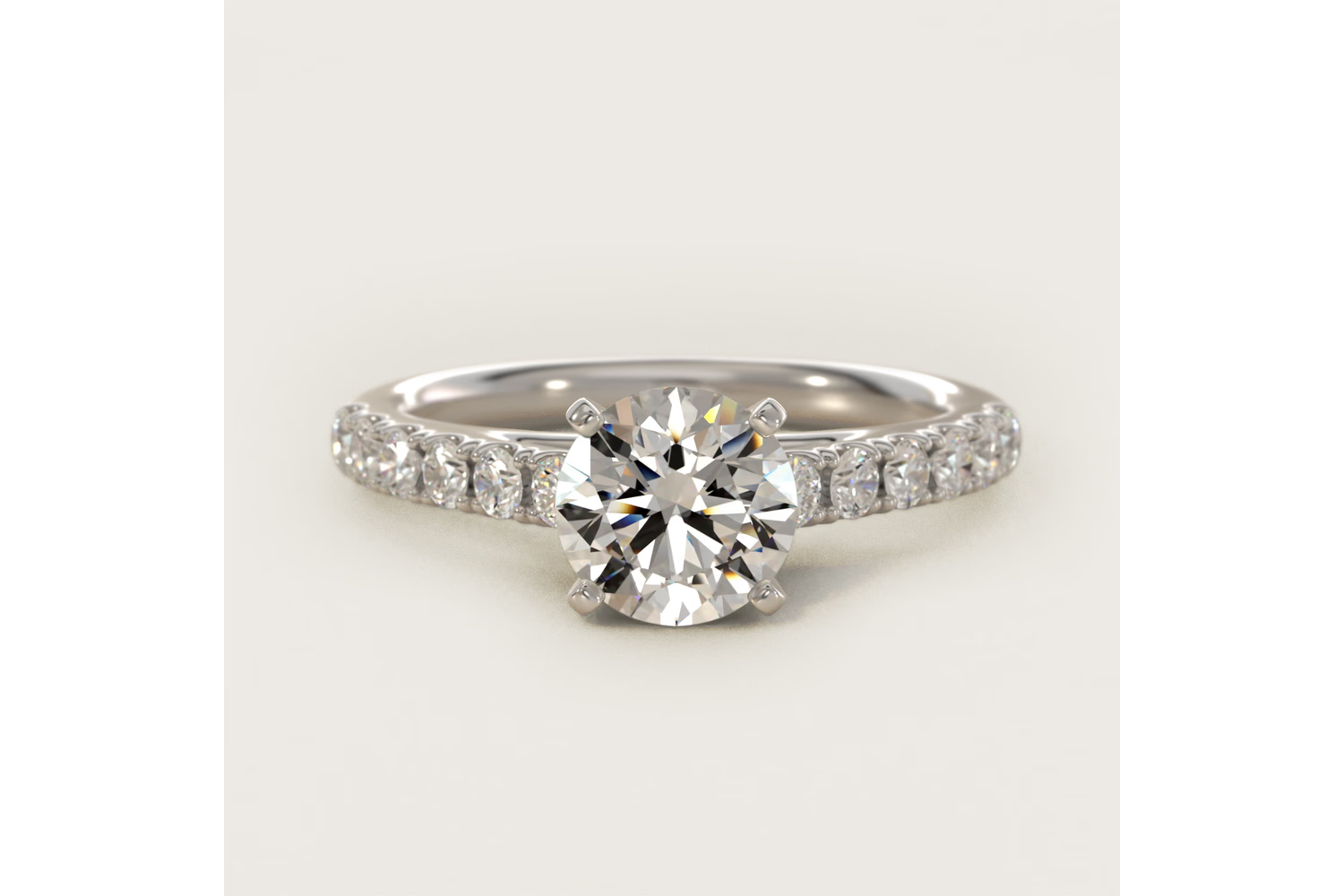
French pavé uses a V-shaped cut between each stone instead of beads, maximizing the visible diamond surface and allowing more light to enter from the sides. French pavé settings show more diamond than bead-set pavé and are the most popular style for pavé engagement rings. The metal between stones is minimal — the V-cuts leave almost nothing between diamonds when viewed from above. The French Pavé Diamond Engagement Ring in Platinum (1/4 ct. tw.) at $2,140 is the most popular French pavé on Blue Nile with 474 reviews.
Scalloped pavé features curved prong cutouts that create a wave pattern along the shank, alternating between exposed metal scallops and diamonds. The scalloped look adds a textural dimension absent from flat micropavé. It is slightly more secure than pure French pavé because the scalloped prongs provide more metal retention around each stone. The Scalloped Pavé Diamond Engagement Ring in Platinum (3/8 ct. tw.) at $2,450 is a premium scalloped option.
Riviera / continuous pavé runs diamonds around the entire shank without a gap at the bottom, creating 360° sparkle. This requires more stones (higher cost) and more maintenance risk since stones on the underside are exposed to the most contact wear. The Riviera Pavé Diamond Engagement Ring in 14k White Gold (1/6 ct. tw.) at $1,405 is the entry point for this style.
Twist/infinity pavé wraps a thin pavé-set shank in a spiral or infinity pattern around the finger. This is the most fashion-forward pavé style and the most distinctive from below. The Petite Twist Diamond Engagement Ring in 14k White Gold (1/10 ct. tw.) at $1,200 and the rose gold version at the same price are the most affordable entry points in Blue Nile's entire pavé catalog.
Pavé Setting Price Tiers: $1,200 to $3,925
| Price | Setting | Style | Metal | Pavé Weight | Reviews |
|---|---|---|---|---|---|
| $1,200 | Petite Twist 14k White Gold | Twist | 14k WG | 1/10 ct. tw. | 417 |
| $1,200 | Petite Twist 14k Rose Gold | Twist | 14k RG | 1/10 ct. tw. | 417 |
| $1,300 | Solo Infinity Pavé 14k Rose Gold | Infinity | 14k RG | — | 68 |
| $1,325 | Petite Micropavé 14k White Gold | Micropavé | 14k WG | 1/10 ct. tw. | 592 |
| $1,405 | Riviera Pavé 14k White Gold | Riviera | 14k WG | 1/6 ct. tw. | 390 |
| $1,430 | Petite Micropavé Hidden Halo 14k WG | Hidden Halo | 14k WG | 1/5 ct. tw. | 10 |
| $1,630 | Graduated Pavé 14k Rose Gold | Graduated | 14k RG | — | 29 |
| $1,895 | Six-Prong Petite Solitaire Platinum | Solitaire | Platinum | — | 35 |
| $2,140 | French Pavé Platinum 1/4 ct | French Pavé | Platinum | 1/4 ct. tw. | 474 |
| $2,200 | Diamond Pavé Platinum by James Allen | Full Pavé | Platinum | — | 107 |
| $2,410 | Cross Prong Surprise Pavé Platinum | Cross Prong | Platinum | — | 31 |
| $2,450 | Scalloped Pavé Platinum 3/8 ct | Scalloped | Platinum | 3/8 ct. tw. | 165 |
| $2,620 | Falling Edge Pavé Halo Platinum | Halo+Pavé | Platinum | — | 368 |
| $2,890 | Riviera Cathedral Pavé Platinum | Cathedral Riviera | Platinum | 1/2 ct. tw. | 110 |
| $3,925 | French Pavé Platinum 1 ct | French Pavé | Platinum | 1 ct. tw. | 41 |
| $4,400 | Split Band Halo 14k Rose Gold | Split Halo | 14k RG | — | 210 |
| $4,550 | Star Halo Cathedral Platinum | Halo Cathedral | Platinum | — | 46 |
Tides Of Summer Capsule
Up To 30% Off
Shop The Sale →Vault ClearanceClear The Vault
Up To 70% Off
Shop Vault Deals →Affiliate link — no extra cost to you
When Pavé Is Worth the Upgrade
Pavé is worth the upgrade in five specific situations. First: when buying a matching pavé wedding band. A pavé engagement ring and a pavé wedding band create unified sparkle when stacked — the two rings shimmer together across the finger. A plain solitaire with a pavé band always looks slightly mismatched.
Second: when the center stone is 1ct or larger. At 1ct+, the center stone is already the statement. The pavé shank does not compete with it — it frames it. At smaller center stones (0.50–0.75ct), the pavé shank can visually overwhelm the center stone if the shank diamonds are nearly as large as the center.
Third: when the wearer has an active lifestyle but still wants sparkle. A properly set micropavé shank (not the cheapest option) sits flush to the finger without prong exposure, reducing snag risk compared to a high-prong cathedral solitaire. The pavé adds sparkle without the profile height risk.
Fourth: when a specific pavé style is the design intent — the ring should look exactly like the photo. French pavé platinum settings like the French Pavé Diamond Engagement Ring in Platinum (1/4 ct. tw.) at $2,140 are a specific aesthetic that cannot be replicated by a plain solitaire with a different stone.
Fifth: when the budget is large enough that the center stone is already maximized for the buyer's grade preferences. If the buyer has already selected the best stone within their grade targets and has remaining budget, pavé is the most impactful way to spend the remainder.
Blue Nile Pavé Showcase
French Pavé Diamond Engagement Ring in Platinum (1/4 ct. tw.) — $2,140 — 474 reviews The most-reviewed French pavé setting on Blue Nile. V-cut between each diamond maximizes sparkle. Platinum durability. 1/4 ct tw of pavé diamonds around the full visible shank.
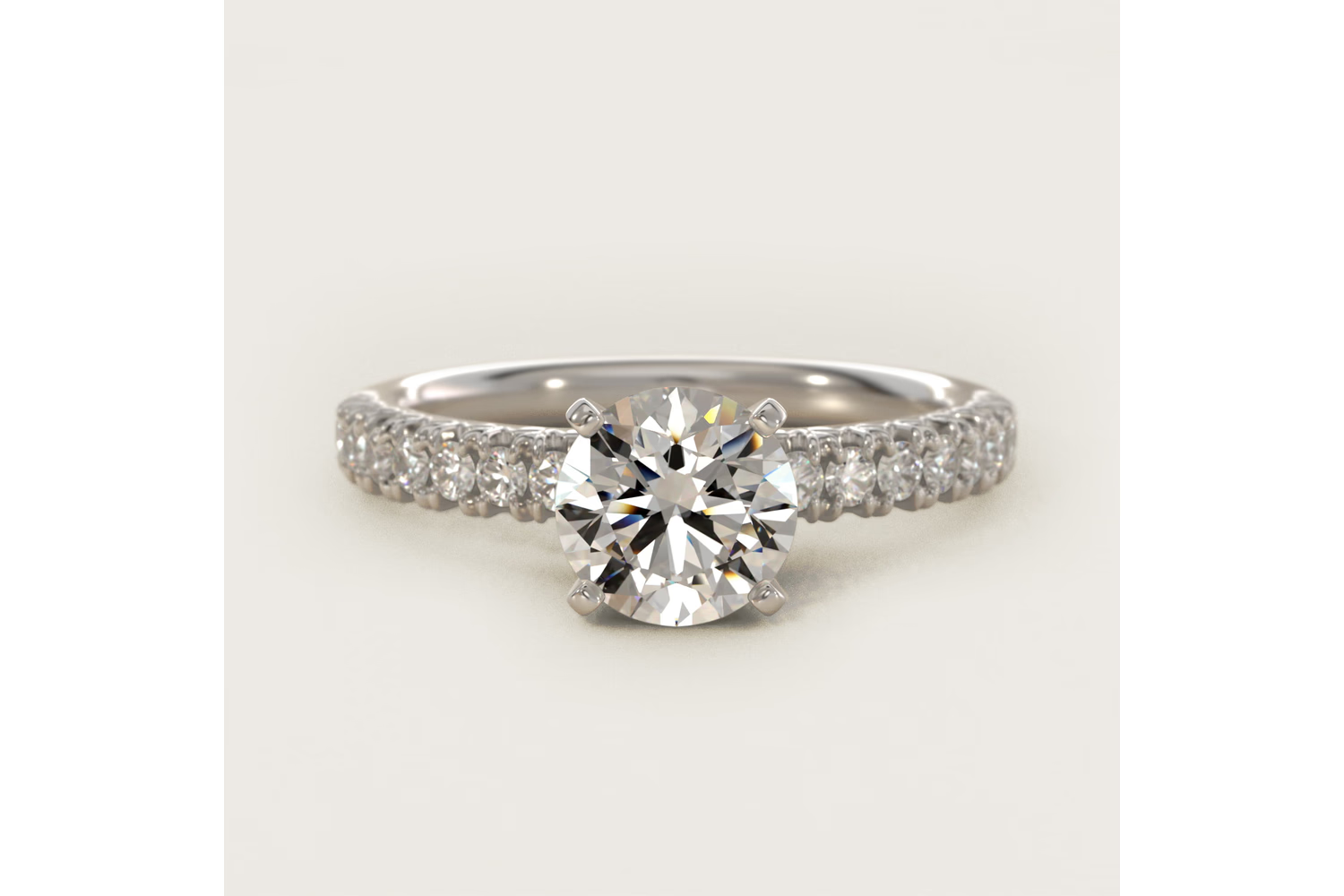
Riviera Pavé Diamond Engagement Ring in 14k White Gold (1/6 ct. tw.) — $1,405 — 390 reviews The best value riviera pavé setting. Continuous diamonds from prong to shank. 14k white gold keeps the price accessible while matching platinum's visual color. Best-selling pavé band under $1,500.
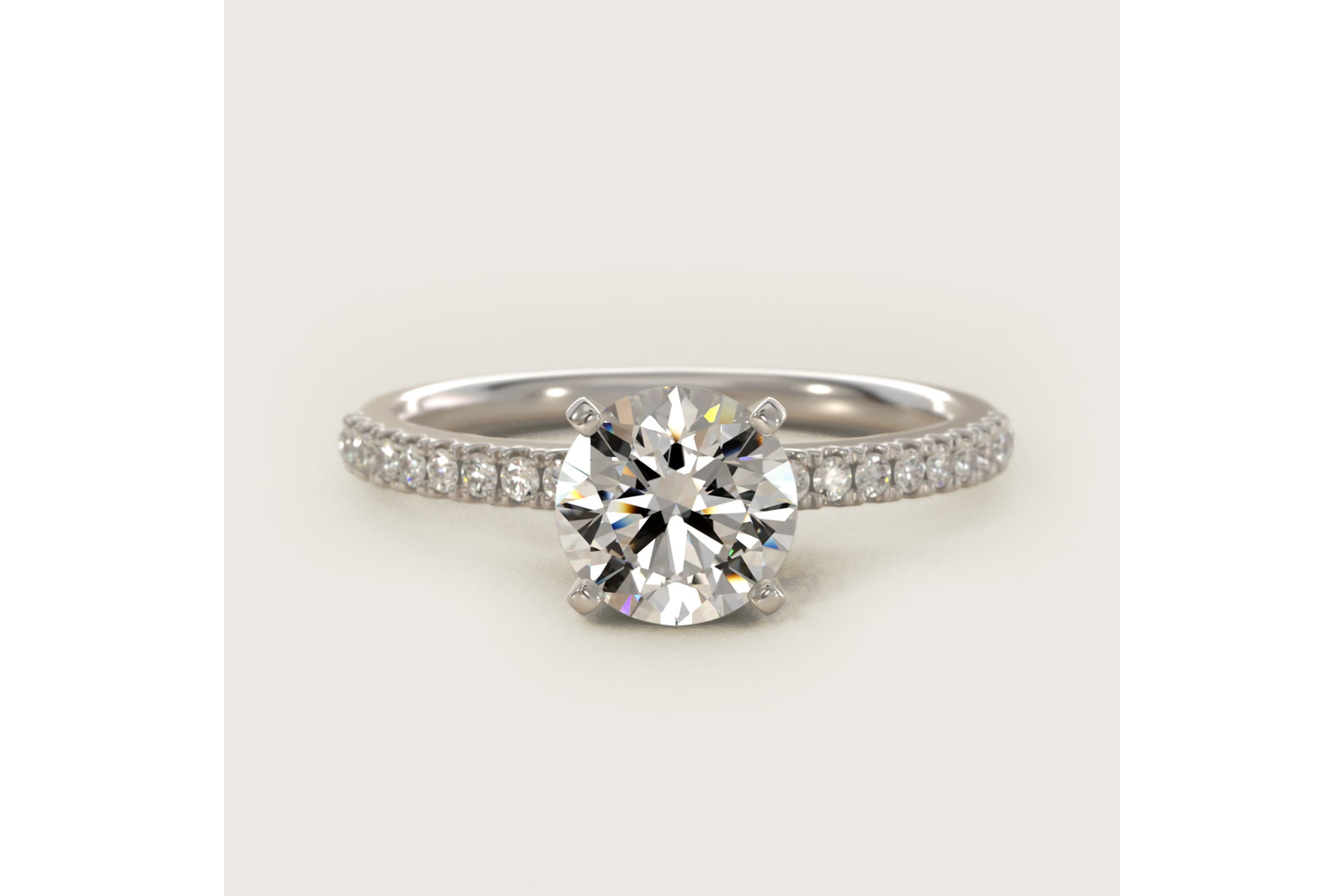
Scalloped Pavé Diamond Engagement Ring in Platinum (3/8 ct. tw.) — $2,450 — 165 reviews Wave-pattern prong cutouts add texture. 3/8 ct tw is the most visible pavé shank weight at this price. Platinum construction. 165 reviews confirm consistent satisfaction.
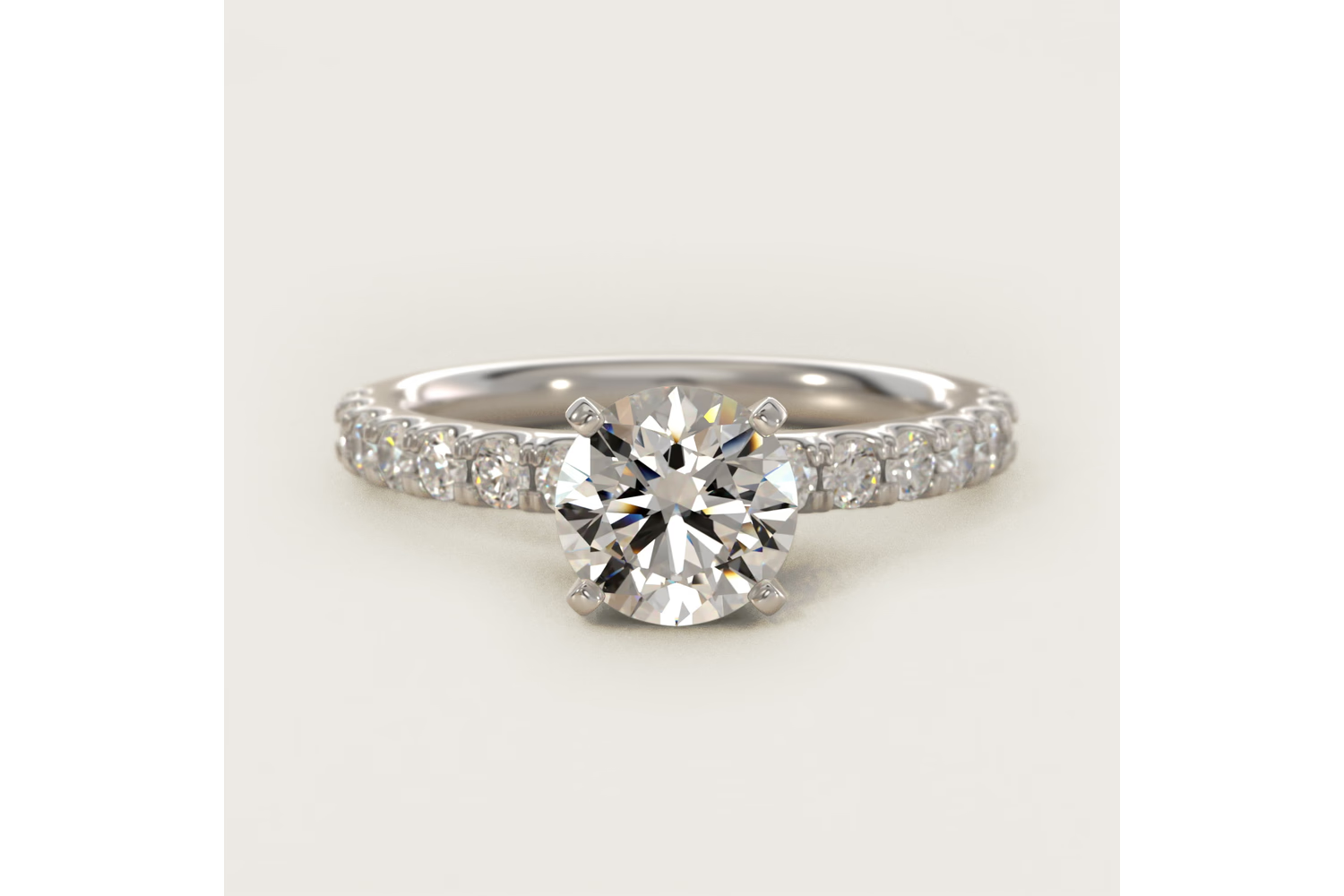
French Pavé Diamond Engagement Ring in Platinum (1 ct. tw.) — $3,925 — 41 reviews The top-tier French pavé. 1 ct tw of pavé diamonds is the maximum shank coverage available. The shank sparkle at this weight genuinely approaches the center stone's brightness under ambient light. Platinum setting.
Pavé Ring Maintenance: The Melee Stone Loss Risk
Pavé melee diamonds are held by micro-prongs or beads that are, by design, as small as possible to maximize diamond visibility. These retaining structures are subject to daily wear, impact, and prong fatigue. A micropavé stone that loosens will fall out silently — most wearers do not notice until they see a gap in the shank.
Replacement cost for a lost pavé melee stone is $200–$400 per stone depending on jeweler, location, and stone grade. An annual inspection by a qualified jeweler — where they check each stone for movement under a loupe — costs $50–$100 and catches loose stones before they are lost. This inspection is mandatory maintenance for any pavé ring, not optional.
The most durable pavé styles for daily wear are scalloped pavé (more metal around each stone) and channel-set (stones enclosed between rails). The most vulnerable are fine micropavé and French pavé on very thin shanks. Choosing platinum over gold for micropavé adds durability because platinum prongs do not wear down as quickly as 14k gold when flexed repeatedly.
Frequently Asked Questions
What is the difference between pavé and micropavé?
Micropavé uses the smallest available diamonds (0.8–1.0mm) set with tiny bead-prongs visible only under magnification. Standard pavé uses slightly larger stones (1.0–1.5mm) with more visible prong or bead work. Micropavé creates finer, more uniform shimmer; standard pavé creates more visible individual stone sparkle. Micropavé settings are more expensive per diamond and require more skilled labor.
Does pavé add noticeable sparkle to an engagement ring?
Yes, but the amount depends on the pavé weight. A 1/10 ct tw micropavé shank adds subtle ambient shimmer noticeable primarily in indirect and candlelight. A 1/2–1 ct tw French pavé shank adds sparkle visible from across a room in normal indoor lighting. The center stone still dominates appearance from face-on; pavé contributes primarily from the side and in motion.
What is a French pavé setting?
French pavé uses V-shaped cutouts between each diamond instead of round bead prongs. The V-cut removes more metal between adjacent stones, maximizing the visible diamond surface and allowing more light to enter from the sides. French pavé shows more diamond per linear centimeter of shank than any other pavé style.
How much does a pavé engagement ring setting cost at Blue Nile?
Pavé settings at Blue Nile start at $1,200 (Petite Twist, 14k white gold, 1/10 ct. tw.) and go up to $4,550 (Star Diamond Halo Cathedral, platinum). The most popular price points are $1,200–$1,430 for simple micropavé and $2,140–$2,890 for full French pavé and Riviera Cathedral in platinum. Settings are priced separately from the center stone.
Is pavé safe for daily wear?
Micropavé and French pavé settings carry a higher melee stone loss risk than plain solitaires or bezel settings because the retaining beads and prongs are extremely small. With annual professional inspections and avoidance of impact activities while wearing the ring, pavé holds up well for daily wear. Scalloped pavé and channel-set styles are more resistant to melee loss than pure micropavé.
Is pavé worth the extra cost over a plain solitaire?
It depends on the budget allocation. If the center stone is already at the buyer's target grade, pavé is a meaningful visual upgrade. If the center stone budget is under 1ct and could still be improved, the pavé upgrade cost ($350–$3,000) typically delivers more visual impact as additional center stone carat weight, color, or clarity. The Petite Twist at $1,200 is the lowest-risk entry point — the price difference from a plain solitaire is under $400.
What is scalloped pavé?
Scalloped pavé features curved metal cutouts between diamond positions, creating a wave or scalloped edge profile along the shank. The scallops alternate with diamond-set positions, giving the shank a textured, three-dimensional appearance compared to the flat surface of standard micropavé. Scalloped settings retain more metal around each stone than French pavé, making them slightly more secure for daily wear.
See Also
Expert Verdict
Always audit the stone individually — no grade replaces seeing the actual diamond. The certificate tells you what to look for. Your eyes tell you whether to buy.
— Farzana Hasan, GIA Expert · DiamondCritics.com