Round Diamond Vintage Engagement Ring: The Vintage Setting Premium
TL;DR: The Vintage Setting Premium
- The Vintage Setting Premium: milgrain borders, filigree metalwork, hand-engraving, and Art Deco geometric details add $300–$2,000 over a plain solitaire of equivalent metal weight — some of that premium reflects genuine skilled labor; some reflects fashion markup on mass-produced "vintage-inspired" castings
- Blue Nile's vintage and vintage-inspired engagement ring settings range from $1,100 (Infinity Vintage-Style 14k White Gold) to $3,940 (Vintage Diamond Halo in 14k Yellow Gold) before the center stone
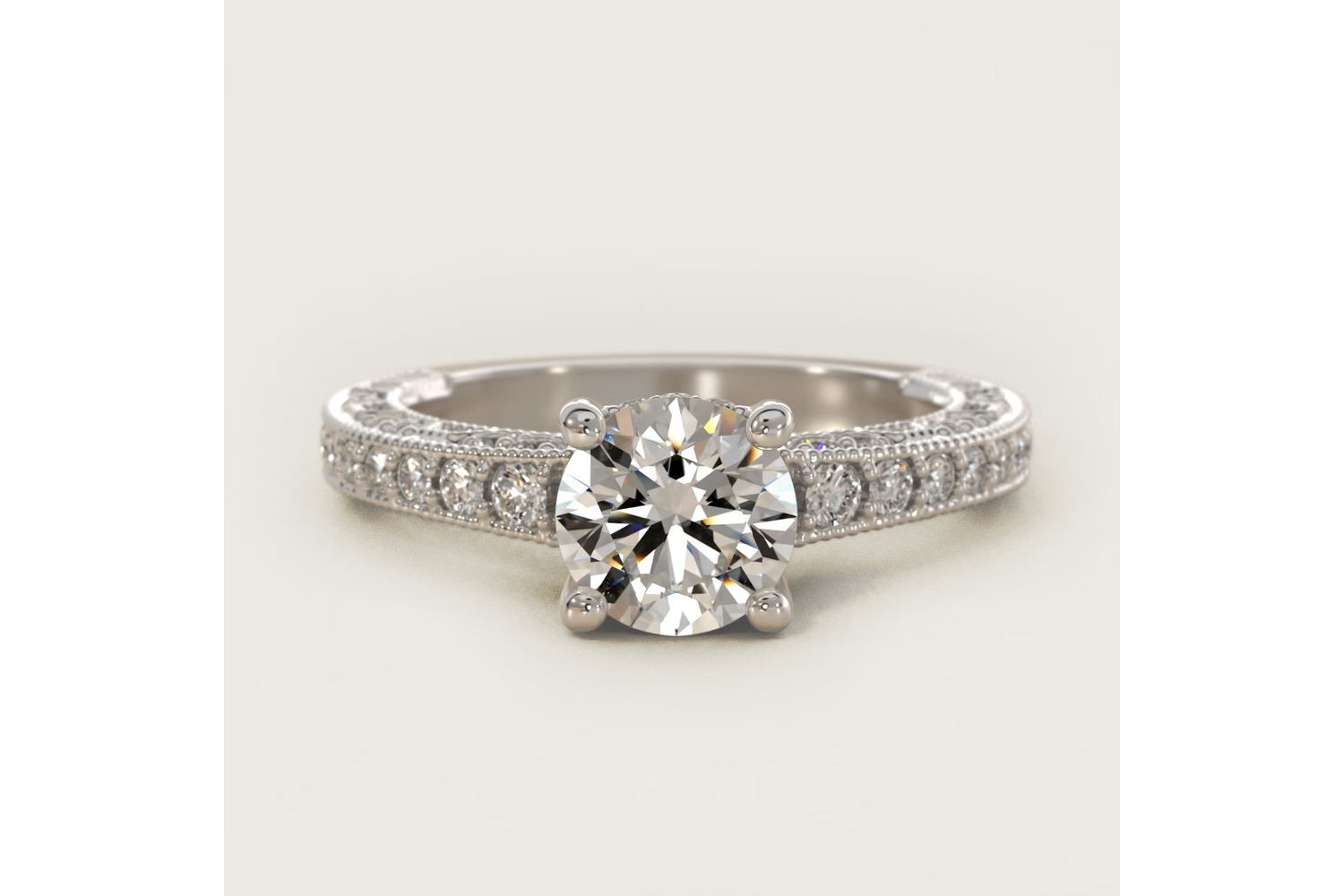
- The four vintage techniques that add genuine value: milgrain (beaded metal borders), filigree (twisted wire metalwork), hand-engraving (carved surface patterns), and marquise/baguette side stones. Each adds complexity the caster cannot replicate cheaply in volume production
- Art Deco settings (1920s geometric style) pair best with a round brilliant diamond in yellow gold — the geometric angularity of Art Deco and the circular outline of a round brilliant create deliberate contrast. Edwardian and Victorian settings favor white metal and heavier ornament
- Vintage settings require more careful maintenance than plain solitaires: milgrain borders can wear smooth over decades, filigree wires can crack under impact, and engraved surfaces accumulate grime. A setting with these features should be professionally cleaned and inspected annually


What Makes a Diamond Ring "Vintage"?
The word "vintage" in the ring context covers two distinct categories: genuinely old rings from a specific historical era (authentic antiques), and new rings manufactured to look like old rings (vintage-inspired or vintage-style). All rings sold new by Blue Nile, James Allen, and major online retailers are vintage-inspired — they are modern castings designed to reference historical aesthetics, not century-old pieces.
Genuine antique engagement rings come from auction houses, estate jewelers, and private sales. They carry the actual craftsmanship limitations and charm of their era — hand-set stones, irregular milgrain, genuine engraving tool marks. They also carry the risks of old jewelry: worn prongs, unknown metal alloys, untested stones, and no return policy. Authentic Art Deco rings from the 1920s typically sell for $3,000–$15,000 for 0.5–1ct center stones at auction.
The rings this guide covers are vintage-inspired: new settings with milgrain, filigree, pavé, and geometric details that reference historical aesthetics. They carry modern construction standards, manufacturer warranties, and return policies. The premium over a plain solitaire reflects the labor and complexity of the vintage details — not historical authenticity.
The Vintage Setting Premium Explained
A plain platinum solitaire setting at Blue Nile costs approximately $1,000–$1,500. The Milgrain Lace Pavé Vintage-Style Engagement Ring In 14K White Gold By James Allen at $2,650 costs $1,150–$1,650 more. That difference buys: milgrain beading along the shank edge, pavé diamond accents along the lace pattern, and the lace carving detail itself. These are genuine labor differentials — the setting takes more hours to produce.
The trap version of the Vintage Setting Premium appears in "vintage look" settings that use simple casting techniques to create surface textures that visually approximate milgrain or filigree but do not involve the same labor. A cast "milgrain" border where the beads are part of the mold costs less to produce than a hand-applied milgrain border where a jeweler physically rolls each bead. The retail prices can overlap, making it difficult for buyers to distinguish genuine craft from simulated vintage.
The practical test: if the milgrain is visible and consistent under 10× loupe, it is genuine. If the surface pattern is uniform to a degree that would be impossible by hand, it is cast. For purposes of daily wear aesthetics, cast vintage details look nearly identical to hand-applied ones. For purposes of authenticity and long-term wear resistance, hand-applied milgrain is superior.
Four Vintage Techniques and Their Cost Premiums
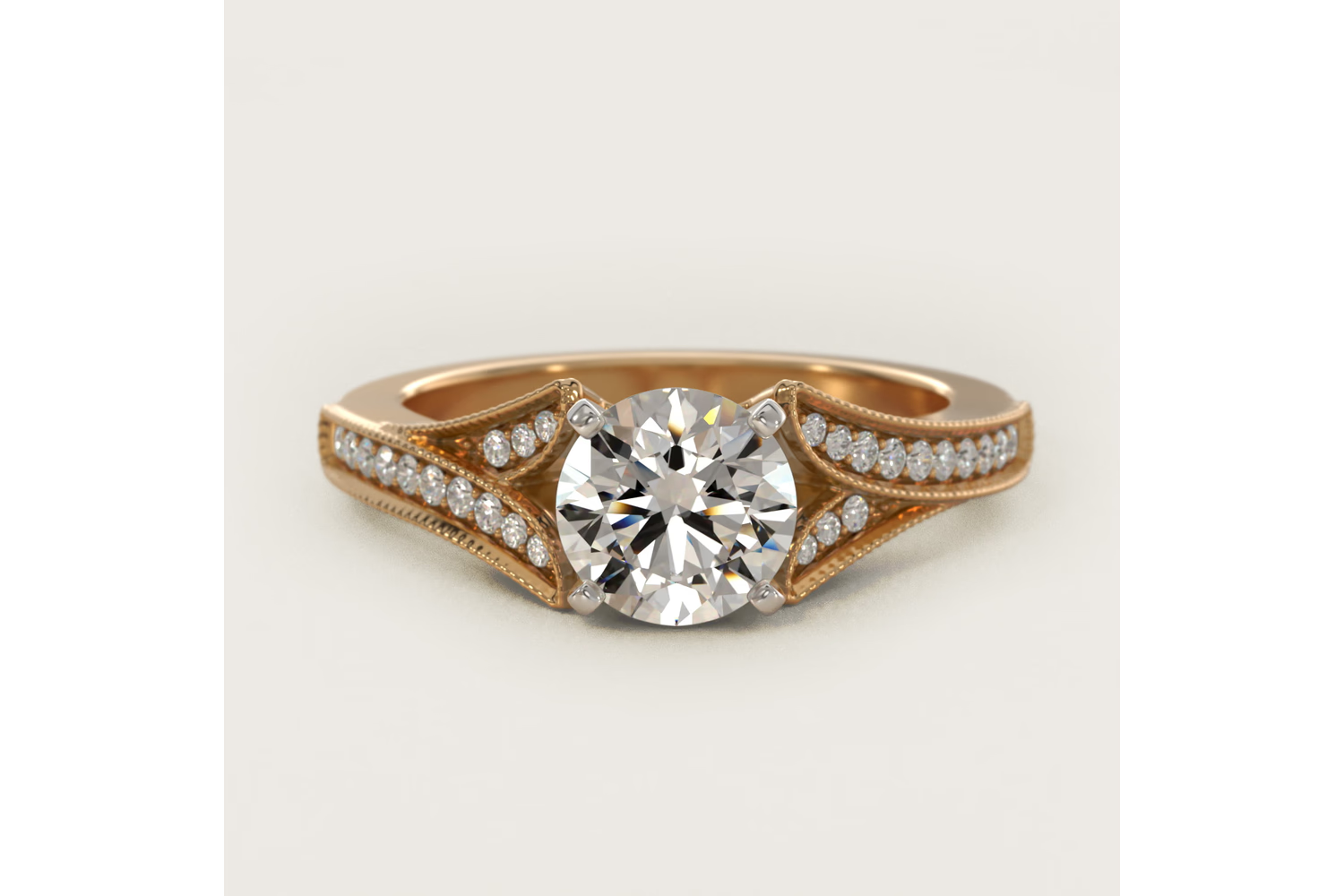
Milgrain is a border of tiny beads applied along the edge of a metal surface — typically the edge of a prong base, the shank edge, or the halo border. The word comes from the French "mil grain" (a thousand grains). Milgrain adds $200–$600 over an equivalent plain setting depending on coverage area and whether applied by hand or cast. It is the most commonly requested vintage detail and the most widely reproduced. The Milgrain and Pavé V-Shank Diamond Engagement Ring in 14K Yellow Gold (1/8 ct. wt.) at $1,790 is an example where milgrain is the primary decorative element.
Filigree is open metalwork made from twisted or curled wire soldered into lace-like patterns. Genuine hand-made filigree is labor-intensive — a skilled goldsmith can take 8–20 hours to complete a single filigree ring shank. Mass-produced cast "filigree" shortcuts this by casting the pattern in one pour. The Diamond Filigree Vintage-Style Engagement Ring In Platinum By James Allen at $2,275 with 228 reviews is the most-reviewed filigree option at Blue Nile and the best benchmark for the style.
Hand-engraving involves a jeweler cutting decorative patterns directly into the metal surface with graving tools. Common patterns are scrollwork, floral, geometric, and feather. The Hand-Engraved Micropavé Diamond Engagement Ring in Platinum (1/6 ct. tw.) at $2,315 combines hand-engraved shank detailing with micropavé diamonds — two vintage techniques in one setting at an accessible price (86 reviews, strong track record).
Art Deco geometric details include marquise-cut side stones, geometric chevron shapes, fishtail-set baguette accents, and angular architectural forms. The Art Deco Inspired Fleur-De-Lis Pavé Vintage-Style Engagement Ring In 14K Rose Gold By James Allen at $1,190 is one of the most affordable vintage-inspired settings on Blue Nile with 101 reviews. The white gold version of the same design is also $1,190.
Vintage vs Modern Setting: Price Comparison
| Style | Setting | Metal | Price | Premium over Plain Solitaire |
|---|---|---|---|---|
| Plain solitaire (baseline) | 4-prong standard | Platinum | ~$1,000 | — |
| Infinity vintage | Infinity Vintage 14k WG | 14k WG | $1,100 | +$100 |
| Art Deco fleur-de-lis | Fleur-De-Lis Rose Gold | 14k RG | $1,190 | +$190 |
| Art Deco fleur-de-lis | Fleur-De-Lis White Gold | 14k WG | $1,190 | +$190 |
| Milgrain navette | Milgrain Navette Platinum | Platinum | $2,090 | +$1,090 |
| Milgrain V-shank pavé | Milgrain V-Shank Yellow Gold | 14k YG | $1,790 | +$790 |
| Marquise side stone | Marquise Prong Platinum | Platinum | $2,550 | +$1,550 |
| Diamond filigree | Diamond Filigree Platinum | Platinum | $2,275 | +$1,275 |
| Hand-engraved micropavé | Hand-Engraved Platinum | Platinum | $2,315 | +$1,315 |
| Milgrain lace pavé | Milgrain Lace 14k WG | 14k WG | $2,650 | +$1,650 |
| Milgrain lace pavé | Milgrain Lace Platinum | Platinum | $3,250 | +$2,250 |
| Vintage diamond halo | Vintage Halo Yellow Gold | 14k YG | $3,940 | +$2,940 |
| Escalating baguette side stone | Escalating Baguette Platinum | Platinum | $4,360 | +$3,360 |
Best Era Inspirations for Round Diamond Settings
Art Deco (1920–1935) is the most popular vintage era for round diamond rings. Geometric shapes, bold lines, architectural forms, and high contrast between stones and metal define the style. Platinum and white gold were the dominant metals. Calibré-cut (precisely fitted) gemstone accents, filigree, and milgrain are characteristic details. Round brilliant diamonds work exceptionally well in Art Deco settings because the circular outline provides contrast against angular geometric architecture. The Art Deco Fleur-De-Lis settings at $1,190 are the most accessible entry point.
Edwardian (1901–1915) is the most delicate and lacy vintage style. Thin platinum filigree work, open metalwork, and elaborate milgrain were hallmarks of the era. Edwardian settings prioritize lightness and intricacy over bold statement. The Diamond Filigree Vintage-Style Engagement Ring In Platinum at $2,275 with 228 reviews references this era most directly. White metal (platinum) is essential for an authentic Edwardian look.
Victorian (1837–1901) jewelry is the most ornate and heavy of the vintage eras. Yellow gold, rose gold, heavy metalwork, nature motifs (flowers, leaves, serpents), and colored gemstone accents (not white diamonds exclusively) defined the Victorian style. The Milgrain and Pavé V-Shank in 14K Yellow Gold at $1,790 provides the warmth and milgrain weight of a Victorian aesthetic without full Victorian ornateness. Yellow gold is essential for this era reference.
Retro (1935–1950) is a heavier, more sculptural style that followed Art Deco. Bold geometric shapes, rose gold, and large architectural forms. The Compass Point Diamond Accent Engagement Ring In 14K Rose Gold at $1,600 captures retro proportions.
Tides Of Summer Capsule
Up To 30% Off
Shop The Sale →Vault ClearanceClear The Vault
Up To 70% Off
Shop Vault Deals →Affiliate link — no extra cost to you
Blue Nile Vintage Showcase
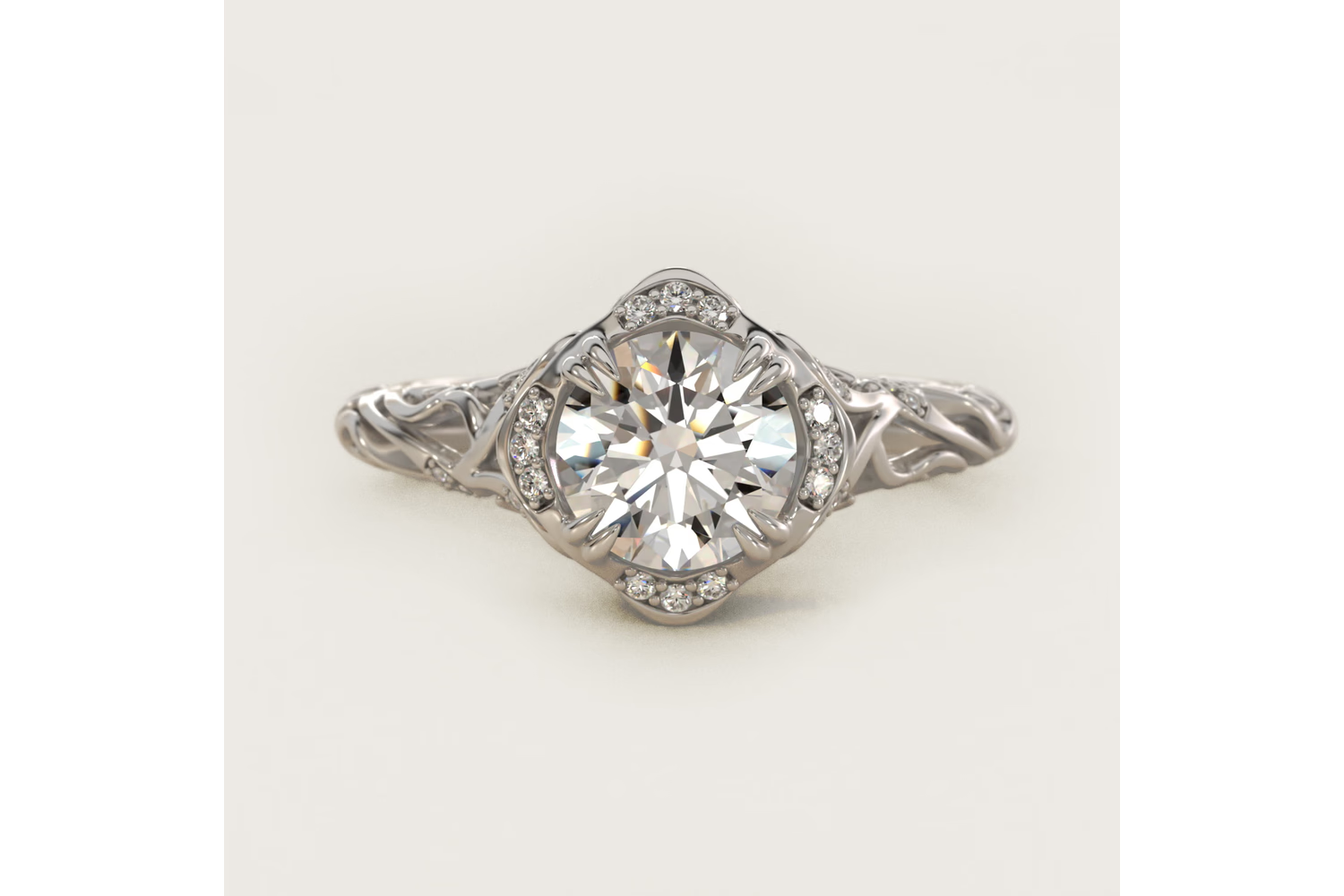
Milgrain Lace Pavé Vintage-Style Engagement Ring In Platinum By James Allen — $3,250 — 17 reviews The premium Milgrain Lace in platinum. Maximum durability for the lace pattern details. The platinum upgrade adds $600 over the white gold version. Best for buyers who want archival-quality construction.
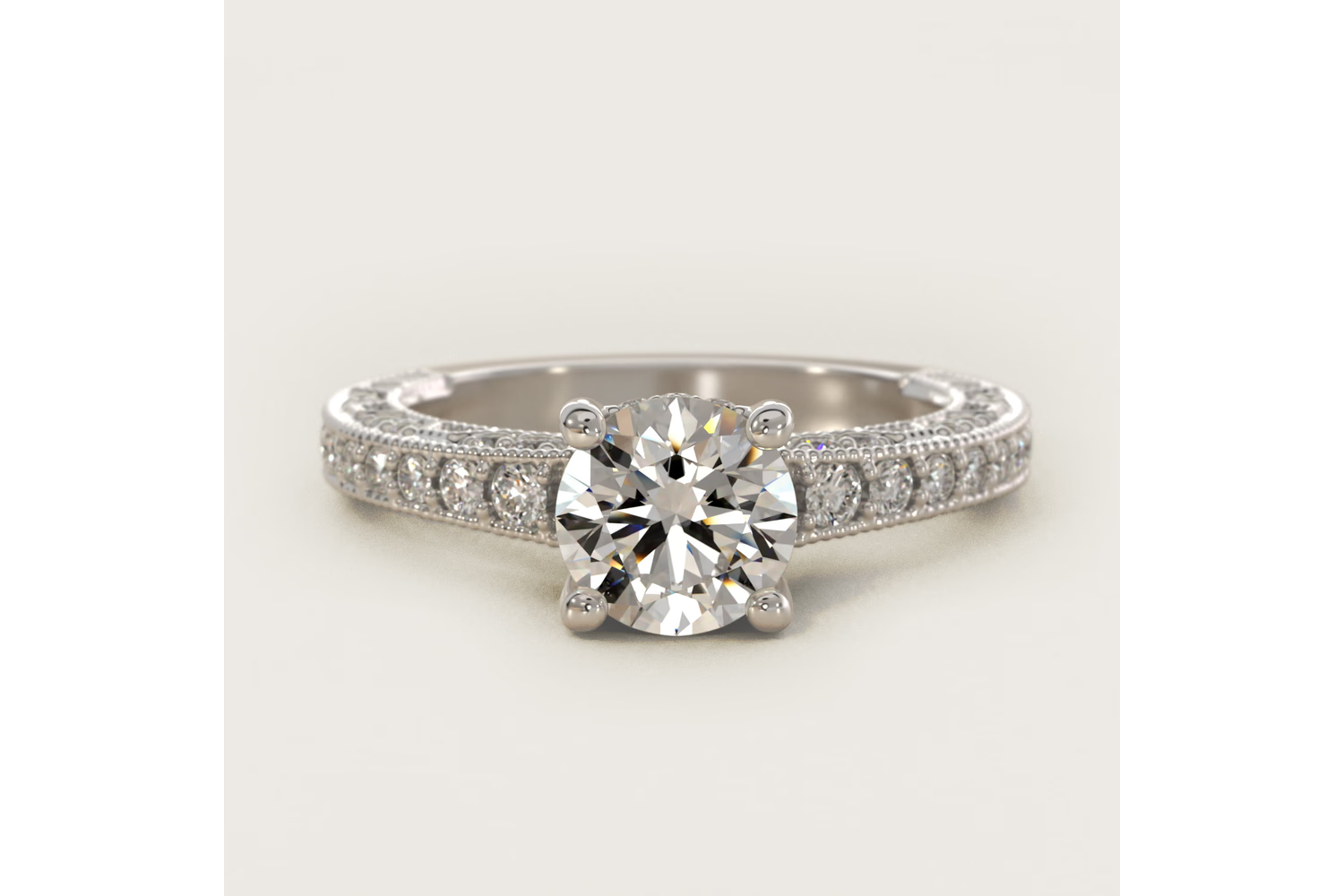
Art Deco Inspired Fleur-De-Lis Pavé Vintage-Style Engagement Ring In 14K Rose Gold — $1,190 — 101 reviews The most popular Art Deco-inspired setting under $1,500. Fleur-de-lis motif at the center with pavé accents. Rose gold adds warmth. 101 reviews with consistent praise for the design detail and value.
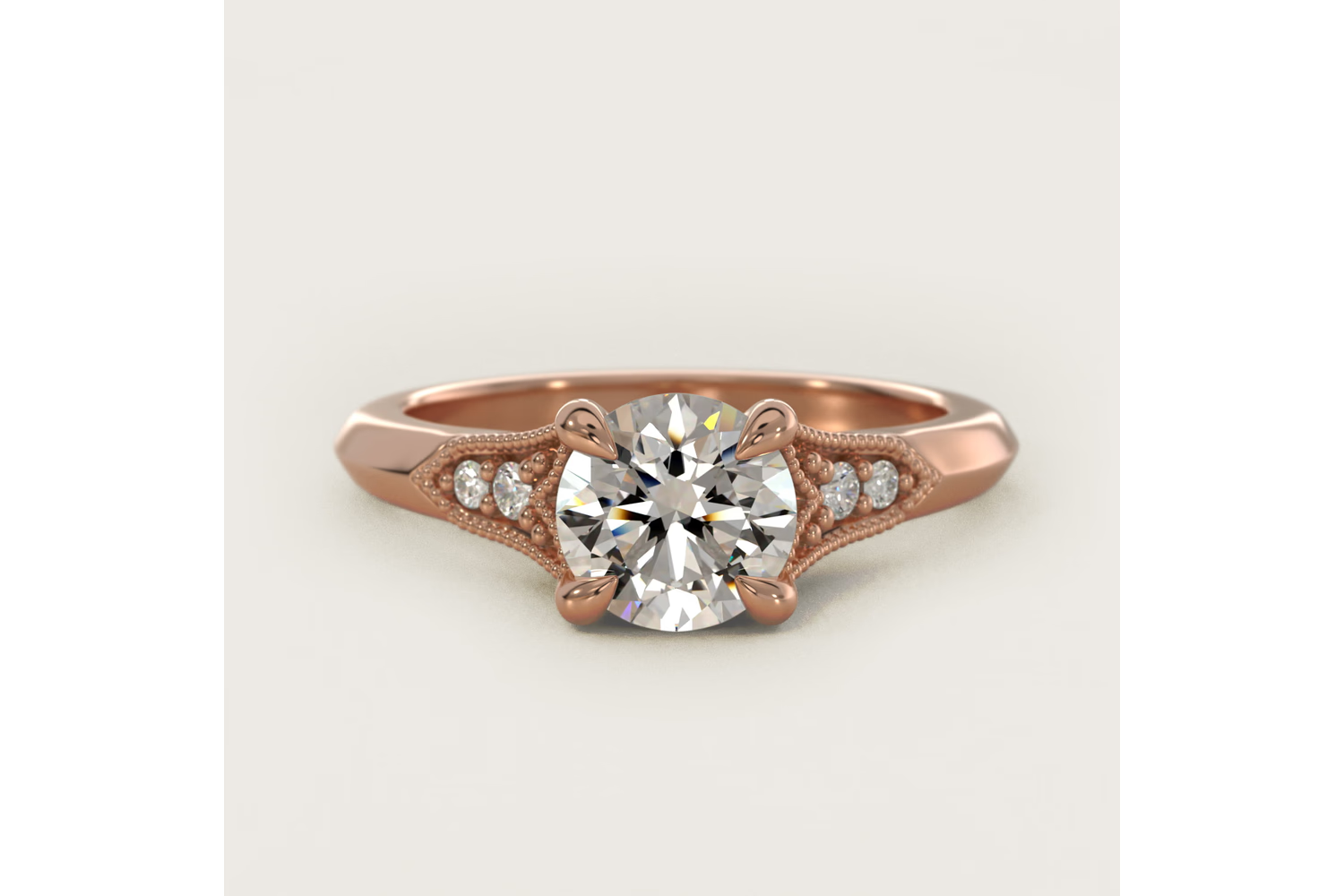
Hand-Engraved Micropavé Diamond Engagement Ring in Platinum (1/6 ct. tw.) — $2,315 — 86 reviews The only hand-engraved micropavé combination at Blue Nile in platinum. Two genuine craft techniques — engraving and micropavé — at one setting price. 1/6 ct. tw. of pavé diamonds with engraved shank panels. Consistent 86-review track record.
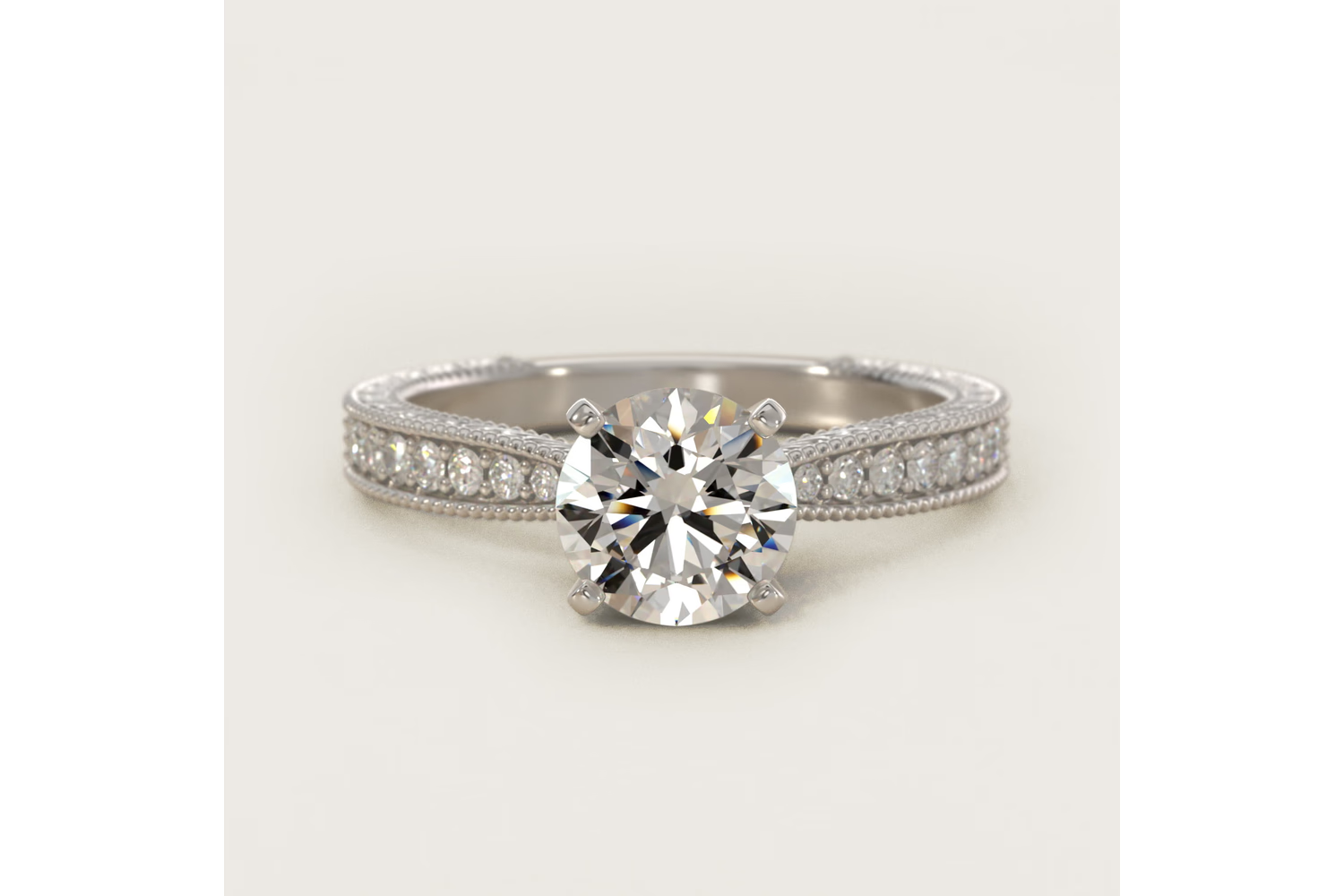
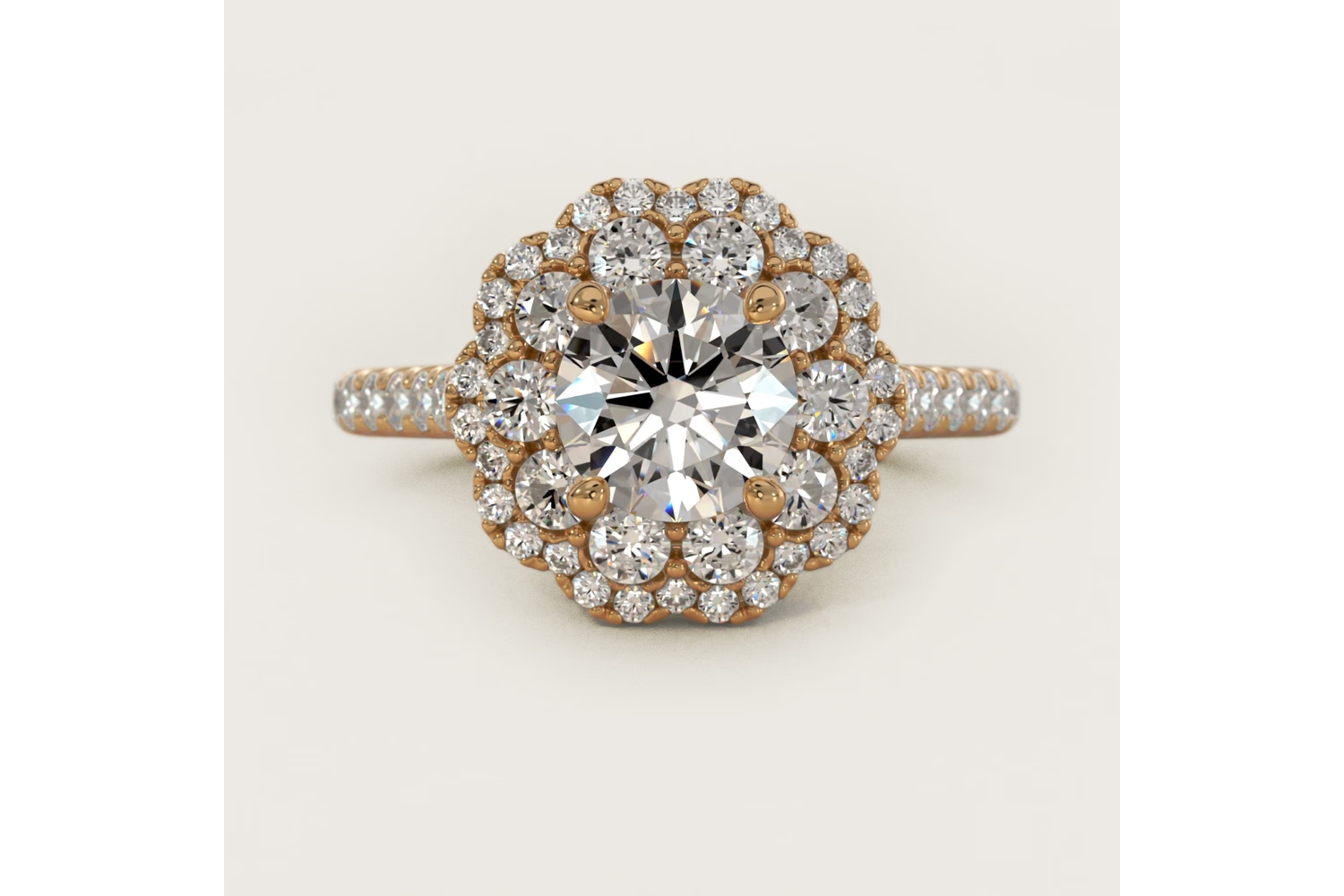
Vintage Diamond Halo Engagement Ring in 14k Yellow Gold (5/8 ct. tw.) — $3,940 — 3 reviews The top-tier vintage option: a vintage halo design with 5/8 ct. tw. of accent diamonds in yellow gold. The most visually complex setting in this guide. Yellow gold with vintage detailing and a full diamond halo creates maximum vintage opulence.
Milgrain and Pavé V-Shank Diamond Engagement Ring in 14K Yellow Gold (1/8 ct. wt.) — $1,790 — 32 reviews Victorian-style warmth in a modern V-shank format. Milgrain borders + pavé + yellow gold = full vintage character at the most accessible price point in the milgrain category. The V-shank profile flatters most finger shapes.
Vintage Ring Maintenance Considerations
Milgrain borders wear smooth over decades of daily friction. The individual beads are very small and the metal between them is thin; over 20–30 years of daily wear, the beads can lose definition and the border begins to look smooth rather than textured. Re-milgraining is a service offered by specialty goldsmiths but it is not inexpensive or universal.
Filigree metalwork can crack under impact. The thin twisted wires that create the lace pattern are among the most delicate structural elements in any ring setting. A hard knock against a counter or gym equipment can crack a filigree wire. Platinum filigree is more impact-resistant than gold filigree because platinum is more ductile, but no filigree setting survives direct impact undamaged.
Hand-engraved surfaces accumulate grime in the carved recesses. Regular ultrasonic cleaning — available at most jewelers for $25–$50 — keeps the engraved patterns visible and sharp. The cleaning does not harm the engravings. Skipping cleaning for years allows oils and mineral deposits to fill the carved grooves, making the engraving invisible.
Frequently Asked Questions
What is milgrain on an engagement ring?
Milgrain (from the French "mil grain," a thousand grains) is a decorative border of tiny metal beads applied along the edge of a ring element — typically the shank edge, the halo border, or the prong base. It is characteristic of Edwardian and Art Deco jewelry and is the most widely used vintage detail in modern vintage-inspired engagement rings. Cast milgrain is less expensive and less durable than hand-applied milgrain.
What is the difference between vintage and vintage-inspired engagement rings?
Vintage rings are genuinely old — manufactured in the Edwardian, Art Deco, Victorian, or Retro era (roughly 1837–1950). Vintage-inspired rings are new rings manufactured with design details that reference those eras: milgrain, filigree, engraving, marquise accents. All rings sold new by major retailers are vintage-inspired. Genuine antique rings are sold through estate jewelers and auction houses.
Which vintage engagement ring era is most popular in 2026?
Art Deco (1920s–1935) is consistently the most requested vintage inspiration. Its geometric forms, platinum metalwork, filigree, and milgrain reference an era that feels both historic and modern. Art Deco also pairs naturally with round brilliant diamonds — the circular stone outline creates deliberate contrast against angular geometric metal. Edwardian lace settings are a close second for buyers who prefer maximum delicacy.
Is yellow gold or white gold better for a vintage engagement ring?
It depends on the era reference. Art Deco and Edwardian settings were made in platinum and white metal — white gold or platinum is most historically accurate for these styles. Victorian and Retro settings were made in yellow and rose gold — warm metal is historically accurate for these eras. Modern buyers sometimes choose rose gold for any vintage setting as a fashion choice; there is no wrong answer from a style perspective.
How much does a vintage engagement ring setting cost at Blue Nile?
Vintage-inspired settings at Blue Nile range from $1,100 (Infinity Vintage-Style 14k White Gold) to $4,360 (Escalating Baguette Platinum). The most popular price points are $1,190–$1,790 for Art Deco and milgrain designs in 14k metals, and $2,275–$3,250 for filigree and milgrain lace in platinum. These prices are setting-only — the center stone is additional.
Do vintage engagement rings cost more to maintain?
Yes, modestly. Annual professional inspection is strongly recommended (vs optional for plain solitaires) because milgrain borders and filigree wires can loosen and crack before becoming visible to the naked eye. Annual cleaning is essential for engraved settings where grooves fill with grime. Budget $50–$100/year for inspection and ultrasonic cleaning. This is significantly less than the cost of repairing a broken filigree wire ($200–$500) or re-milgraining worn borders ($400–$800).
Can I add milgrain to an existing ring?
Yes. A skilled goldsmith can add milgrain borders to an existing ring shank by rolling a milgrain tool along the edge under magnification. Cost is typically $150–$400 depending on the coverage area and the shop. Not all jewelers offer this service — contact a specialty vintage-focused goldsmith. The milgrain will be hand-applied and genuinely more irregular and artisanal than cast milgrain, which many buyers prefer.
See Also
Expert Verdict
Always audit the stone individually — no grade replaces seeing the actual diamond. The certificate tells you what to look for. Your eyes tell you whether to buy.
— Farzana Hasan, GIA Expert · DiamondCritics.com